
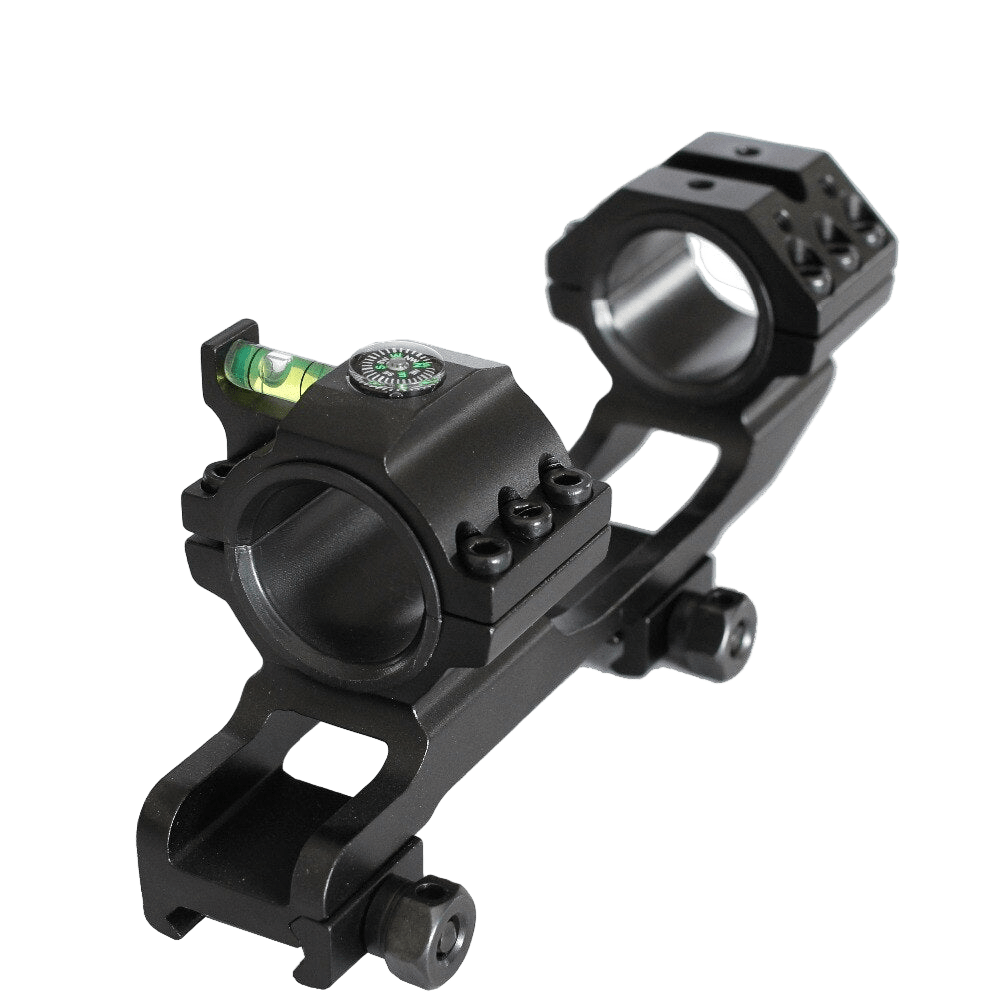
Proper scope mounting and zeroing are critical skills for anyone using optical equipment on rifles, gel blasters, or tactical firearms. Even the most expensive scope won't perform if it's incorrectly mounted or improperly zeroed. This comprehensive guide covers everything you need to know about mounting and zeroing rifle scopes, red dot sights, and other optical equipment for maximum accuracy and reliability.
Why Proper Mounting and Zeroing Matter
Mounting ensures your optic is securely attached, properly aligned, and positioned for comfortable use. Poor mounting leads to:
-
Lost zero from movement or recoil
-
Uncomfortable shooting position
-
Scope damage from improper stress
-
Inconsistent accuracy
Zeroing aligns your point of aim with your point of impact at a specific distance. Proper zeroing provides:
-
Predictable shot placement
-
Confidence in your equipment
-
Consistent performance across distances
-
Effective use of your optic's capabilities
Tools and Materials You'll Need
Essential Tools
-
Torque wrench (inch-pounds) - Critical for proper tension
-
Hex key set or screwdrivers - Match your ring/mount screws
-
Level or plumb line - Ensures scope isn't canted
-
Bore sighter (optional but helpful) - Gets you on paper quickly
-
Cleaning supplies - Degrease mounting surfaces
-
Loctite (blue, medium strength) - Prevents screw loosening
Materials
-
Quality scope rings or mount - Match your rail system and scope tube
-
Scope - Ensure proper eye relief and magnification
-
Ammunition - Consistent, quality rounds for zeroing
-
Target - Appropriate for your zero distance
-
Stable shooting rest - Sandbags, bipod, or bench rest
Understanding Scope Mounting Systems
Picatinny/Weaver Rails
Most modern tactical equipment uses 20mm Picatinny or Weaver rails:
-
Standardized mounting system
-
Wide accessory compatibility
-
Secure, repeatable mounting
-
Easy optic changes
Scope Ring Heights
Choose ring height based on:
-
Scope objective diameter - Larger objectives need higher rings
-
Stock design - Cheek weld comfort
-
Rail height - Some platforms have elevated rails
Common Heights:
-
Low: 1-inch clearance, compact scopes
-
Medium: 1.5-inch clearance, most applications
-
High: 2+ inch clearance, large objectives or AR-style platforms
One-Piece vs. Two-Piece Mounts
One-Piece Mounts:
-
Maximum rigidity
-
Better for heavy recoil
-
Easier alignment
-
More expensive
Two-Piece Rings:
-
More versatile
-
Lighter weight
-
Adjustable spacing
-
Budget-friendly
Step-by-Step Scope Mounting Process
Step 1: Prepare the Mounting Surface
-
Clean the rail thoroughly with degreaser
-
Remove any protective coatings from new equipment
-
Inspect for damage - burrs, dents, or irregularities
-
Dry completely before mounting
Pro Tip: A clean mounting surface is critical. Oil, grease, or debris prevents proper clamping and can cause scope movement.
Step 2: Position the Scope Rings/Mount
-
Loosely attach rings to the rail
-
Position for proper eye relief (typically 3-4 inches for rifle scopes)
-
Space rings appropriately - not too far forward or back on scope tube
-
Avoid mounting over adjustment turrets or other scope features
Eye Relief Check:
-
Mount weapon in shooting position
-
Close your eyes and shoulder the weapon naturally
-
Open your eyes - you should have a full sight picture
-
Adjust ring position if needed
Step 3: Install the Scope
-
Remove top ring caps
-
Place scope in bottom rings - don't tighten yet
-
Rotate scope for level reticle (use level or plumb line)
-
Adjust fore/aft position for comfortable eye relief
-
Replace top ring caps - finger tight only
Leveling the Reticle:
-
Hang a plumb line 25+ meters away
-
Align vertical reticle with plumb line
-
Or use a scope leveling tool for precision
-
Critical for long-range accuracy
Step 4: Torque to Specification
Proper Torque Sequence:
-
Ring base screws first (mount to rail)
-
Typical spec: 15-25 inch-pounds
-
Tighten in cross pattern
-
Check manufacturer specifications
-
-
Ring cap screws (holding scope)
-
Typical spec: 15-20 inch-pounds for aluminum rings
-
Tighten gradually in cross pattern
-
Equal gaps top and bottom when finished
-
Critical: Over-torquing damages scopes. Under-torquing allows movement. Use a torque wrench.
Step 5: Apply Thread Locker
-
Blue Loctite on all screws (medium strength)
-
Allows future removal but prevents loosening
-
Let cure per manufacturer instructions (usually 24 hours)
-
Don't use red Loctite (permanent)
Step 6: Final Checks
-
Verify eye relief in shooting position
-
Check reticle level one more time
-
Ensure scope doesn't contact rail, rings, or other components
-
Confirm all screws are tight to specification
-
Test scope adjustments - turrets should click smoothly
Bore Sighting (Optional Pre-Zero Step)
Bore sighting gets you "on paper" quickly, saving time and ammunition.
Laser Bore Sighter Method
-
Insert laser bore sighter in chamber or barrel
-
Aim at target 25-50 meters away
-
Adjust scope reticle to match laser dot
-
Remove bore sighter and proceed to live fire zeroing
Visual Bore Sighting Method
-
Remove bolt (if possible) and look through bore
-
Center bore on target at 25 meters
-
Without moving rifle, adjust scope to match point of aim
-
Proceed to live fire zeroing
Note: Bore sighting is approximate. Live fire zeroing is essential.
Zeroing Your Scope: Complete Process
Choose Your Zero Distance
Common Zero Distances:
25 Meters (Gel Blasters):
-
Standard for gel blaster applications
-
Covers typical engagement ranges
-
Easy to find suitable range
50 Meters:
-
Good general-purpose zero
-
Suitable for most hunting and tactical applications
-
Balances close and medium range
100 Meters:
-
Standard rifle zero distance
-
Excellent for precision shooting
-
Requires proper range facilities
200+ Meters:
-
Long-range applications
-
Requires ballistic calculations
-
Advanced shooters only
Set Up Your Zeroing Station
-
Stable shooting position - bench rest, sandbags, or bipod
-
Secure target at chosen distance
-
Comfortable shooting position - eliminate human error
-
Good lighting - see target and reticle clearly
-
No wind if possible - especially for initial zero
The Zeroing Process
Step 1: Initial Shot Group
-
Fire 3-5 rounds at center of target
-
Aim consistently at same point each shot
-
Note group center - not individual shots
-
Measure distance from point of aim
Step 2: Calculate Adjustments
Most scopes adjust in 1/4 MOA or 1/2 MOA clicks:
-
1 MOA = approximately 1 inch at 100 yards (2.9cm at 100m)
-
1/4 MOA = 0.25 inches per click at 100 yards
Adjustment Formula:
-
Measure distance from point of aim to group center
-
Calculate clicks needed based on distance and MOA value
-
Adjust scope turrets accordingly
Example:
-
Group is 4 inches low at 100 yards
-
Scope has 1/4 MOA clicks
-
Need 16 clicks UP (4 inches ÷ 0.25 inches per click)
Step 3: Windage and Elevation Adjustments
Elevation (Up/Down):
-
Turn elevation turret
-
"UP" arrow raises point of impact
-
Most scopes: clockwise = up
Windage (Left/Right):
-
Turn windage turret
-
"R" arrow moves impact right
-
Most scopes: clockwise = right
Remember: Adjust toward where you want impacts to go, not where they currently are.
Step 4: Confirm Zero
-
Fire another 3-5 round group
-
Should be centered on point of aim
-
If not, make fine adjustments and repeat
-
Continue until satisfied with zero
Step 5: Record Your Zero
Document:
-
Zero distance
-
Ammunition used
-
Environmental conditions
-
Date
-
Number of clicks from "zero" position
Understanding Scope Adjustments
Turret Types:
Capped Turrets:
-
Protected from accidental adjustment
-
Remove caps to adjust
-
Common on hunting scopes
Exposed Tactical Turrets:
-
Quick adjustments without tools
-
Marked in MOA or MIL
-
Common on tactical and precision scopes
Zero Stop Feature:
-
Returns to zero with single rotation
-
Prevents losing your zero
-
Premium scope feature
Verifying Your Zero at Multiple Distances
Once zeroed at your primary distance, verify at other ranges:
Example: 100-Meter Zero
-
25 meters: Typically 1-2 inches low
-
50 meters: Typically 0-1 inch low
-
100 meters: Zero (point of aim = point of impact)
-
200 meters: Typically 6-8 inches low (depends on caliber)
Create a DOPE Card (Data On Previous Engagements):
-
Record holds or adjustments for various distances
-
Note environmental factors
-
Build confidence in your system
Common Mounting and Zeroing Mistakes
Mounting Errors
Over-Torquing Ring Screws:
-
Damages scope tube
-
Causes internal misalignment
-
Voids warranty
Mounting Too Far Forward:
-
Inadequate eye relief
-
Risk of scope striking face during recoil
-
Uncomfortable shooting position
Uneven Ring Gaps:
-
Indicates improper alignment
-
Stresses scope tube
-
Can damage scope over time
Skipping Thread Locker:
-
Screws loosen from vibration and recoil
-
Lost zero
-
Potential scope damage
Zeroing Errors
Shooting Too Few Rounds:
-
Single shots don't reveal true group center
-
Need 3-5 rounds minimum per group
Inconsistent Shooting Position:
-
Human error affects results
-
Use stable rest to eliminate variables
Adjusting After Every Shot:
-
Need group to determine true center
-
Chasing individual shots wastes ammunition
Wrong MOA Calculations:
-
Verify your scope's click value
-
Account for actual distance (meters vs. yards)
Not Confirming Zero:
-
Always fire confirmation group after adjustments
-
Verify zero before leaving range
Maintaining Your Zero
Regular Checks
-
Before important use - verify zero hasn't shifted
-
After transport - especially air travel or rough handling
-
Seasonal changes - temperature affects zero slightly
-
After drops or impacts - always recheck
Preventing Zero Loss
-
Proper torque on all mounting screws
-
Quality rings and mounts - don't cheap out
-
Thread locker on all screws
-
Periodic checks - tighten if needed
-
Protective caps when not in use
When to Re-Zero
-
Scope has been removed and remounted
-
Switching ammunition types
-
Significant environmental changes (altitude, temperature)
-
After any impact or drop
-
Annually for precision applications
Scope Mounting for Different Applications
Tactical Rifles
-
One-piece mounts for maximum rigidity
-
Quick-detach for backup iron sights
-
Proper height for cheek weld with gear
-
Cantilever mounts for AR-style platforms
Hunting Rifles
-
Low rings for traditional stocks
-
Lightweight mounts to reduce weight
-
Solid mounting for recoil management
-
Consider scope caps for weather protection
Gel Blasters
-
Standard Picatinny mounts work well
-
Medium rings for most applications
-
Less critical torque specs (lower recoil)
-
25-meter zero standard
Long-Range Precision
-
Heavy-duty mounts for large scopes
-
Scope level for cant prevention
-
High rings for large objective lenses
-
Precise leveling critical for accuracy
Troubleshooting Common Issues
Scope Won't Hold Zero
Possible Causes:
-
Loose mounting screws
-
Damaged scope internals
-
Poor quality rings/mount
-
Improper torque
Solutions:
-
Check and re-torque all screws
-
Test with different mount
-
Replace damaged components
Uncomfortable Eye Relief
Possible Causes:
-
Rings positioned incorrectly
-
Wrong scope for application
-
Stock length issues
Solutions:
-
Reposition rings (may require remounting)
-
Consider scope with different eye relief
-
Adjust stock length of pull
Reticle Appears Canted
Possible Causes:
-
Scope rotated in rings
-
Rifle held at angle during leveling
Solutions:
-
Loosen rings and re-level scope
-
Use proper leveling tools
-
Verify rifle is level when leveling scope
Point of Impact Shifts
Possible Causes:
-
Temperature changes
-
Ammunition variation
-
Loose mounting
-
Scope tracking issues
Solutions:
-
Allow equipment to temperature stabilize
-
Use consistent ammunition
-
Check mounting torque
-
Test scope tracking
Advanced Tips for Precision Mounting
Lapping Scope Rings
For maximum precision:
-
Ensures perfect ring alignment
-
Maximizes contact with scope tube
-
Reduces stress on scope
-
Requires lapping tool and compound
Scope Ring Alignment
-
Use alignment bars to check ring alignment
-
Misaligned rings stress scope tube
-
Can cause accuracy issues
-
Critical for precision applications
Anti-Cant Devices
-
Bubble level mounted on scope or rail
-
Prevents rifle cant during shooting
-
Critical for long-range accuracy
-
Inexpensive accuracy improvement
Optical Equipment Care
Lens Care
-
Clean with proper lens cloth - microfiber only
-
Use lens cleaning solution - never household cleaners
-
Protect from scratches - use lens caps
-
Avoid touching glass - oils damage coatings
Storage
-
Remove from rifle for long-term storage
-
Store in protective case with desiccant
-
Avoid temperature extremes
-
Keep in dry environment
Field Maintenance
-
Periodically check mounting screws
-
Protect from impacts
-
Keep lens caps on when not shooting
-
Wipe down after use in wet conditions
Conclusion
Proper scope mounting and zeroing are fundamental skills that dramatically impact your accuracy and confidence with optical equipment. Take the time to mount correctly, torque properly, and zero methodically. The investment in proper tools and techniques pays dividends in reliability and performance.
Whether you're mounting a red dot on a gel blaster, a rifle scope for hunting, or a precision optic for long-range shooting, these principles apply universally. Master these skills once, and you'll enjoy consistent, reliable performance from your optical equipment for years to come.
True Vision Tactical specializes in professional optical equipment including rifle scopes, red dot sights, thermal scopes, and night vision systems. With our expertise in tactical optics, we provide not just quality products but the knowledge to use them effectively. Visit us for expert advice on selecting, mounting, and zeroing optical equipment for any application.
Need help choosing the right scope, rings, or mounting system? Contact True Vision Tactical for personalized recommendations from Australia's optical equipment specialists.